Authentic WW1 & WW2 German Militaria

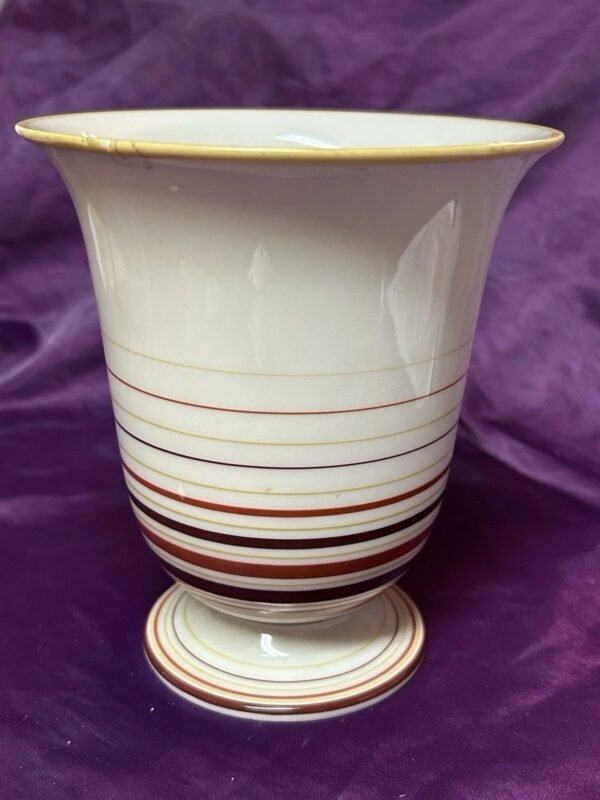
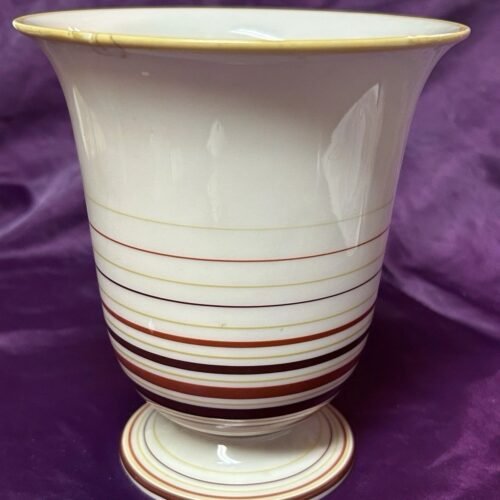
Rare German Third Reich Dachau Concentration Camp Allach Porcelain Model #510 Cup Goblet Vase by Franz Nagy
$1,199.99
1 in stock
Offered here is an exceptionally scarce Allach Porcelain Model #510 Cup Vase (Bechervase) designed by renowned Allach artist Franz Nagy. This elegant pedestal-form vase features finely executed hand-painted horizontal bands in burgundy, brown, and gilt over a cream-white porcelain body.
The underside bears the desirable Allach SS intertwined runic mark, identifying it as the documented Cup Vase designed by Franz Nagy. The model is illustrated in modern reference works and collector literature on Allach porcelain.
Measurements
Height: approximately 6 inches (15 cm)
Rim diameter: approximately 4 inches
Condition
Displays beautifully overall.
One small period-repaired chip on the rim, shown clearly in the photographs.
Minor age-related wear and light handling marks.
No major cracks or additional repairs observed.
Historical Notes
The Porzellan Manufaktur Allach was founded in 1935 and later became associated with SS administration, with much of its wartime production taking place near the Dachau complex. Today, original Allach decorative pieces remain among the most sought-after examples of German art porcelain.
The painted examples of the #510 are particularly attractive and considerably scarcer than plain white variants, making this an excellent opportunity for the advanced collector of:
Allach porcelain
German art porcelain
Historical ceramics
Museum and reference collections
Rare European decorative arts
History of SS Allach Porcelain and the Dachau Factory
Origins of the Allach Factory (1935–1936)
The Porzellan Manufaktur Allach was founded in 1935 in the Munich suburb of Allach by porcelain artist Prof. Karl Diebitsch and businessman Franz Nagy. The goal was to create a luxury German porcelain manufacturer that could rival famous firms such as Meissen and Rosenthal.
In 1936, the factory was taken over by the SS under Heinrich Himmler. Himmler had a strong interest in Germanic art, folklore, and craftsmanship and viewed Allach as an opportunity to create a prestigious state-sponsored porcelain works producing items that reflected his vision of German culture.
The Original Allach Factory
The first factory stood in the town of Allach, just northwest of Munich. Early production concentrated on:
Animal figurines
Classical and historical figures
Vases and bowls
Decorative tableware
Candle holders and presentation pieces
More than 240 different models were ultimately produced. Many of Germany’s finest ceramic artists were contracted to work for the company.
Transfer of Production to Dachau
As production expanded, additional facilities were required. Beginning around 1937, and increasingly during the war years, much of the porcelain production was moved to workshops located adjacent to the Dachau concentration camp complex. Initially intended as a temporary solution, the Dachau workshops became the principal production site for many Allach items.
By 1940–1941, prisoners from Dachau were being employed in the manufacture of Allach porcelain alongside civilian German workers. The original Allach factory was largely converted to the production of more utilitarian ceramic products and household wares.
Production at Dachau
The Dachau workshops produced:
Animal figurines
Decorative vases and bowls
Presentation pieces
Candle holders
Tableware
Gift items for SS members and officials
One of the most famous products was the Julleuchter (Yule Lantern), of which tens of thousands were produced and distributed to SS families.
The use of concentration camp labor in the manufacture of Allach porcelain was denied by company officials after the war, but historical research has established that forced labor was indeed employed in the Dachau workshops.
Allach Marks
Pieces produced by Allach generally bear:
The stylized SS runic logo
Sometimes an impressed model number
Occasionally markings referencing the SS Economic and Administrative Main Office (WVHA)
This Model 510 Cup Vase (Bechervase) bears the characteristic Allach runic mark and impressed model number, placing it firmly within documented Allach production.
The End of the Factory
With the collapse of Germany in 1945, both the Allach and Dachau facilities ceased operations and never reopened. Surviving pieces today are considered important historical artifacts because they represent both high-quality German porcelain artistry and the complex history of wartime production under SS administration.
This Model 510 Cup Vase by Franz Nagy is a documented Allach form and is exactly the type of decorative art porcelain that was produced during the Dachau period. Painted examples such as this are encountered much less frequently than plain white pieces and are considered highly desirable among collectors of Allach porcelain.
Please review all photographs carefully, as they form an important part of the description. The vase pictured is the exact item you will receive.
Keywords: Allach Model 510, Bechervase, Cup Vase, Franz Nagy, Allach Porcelain, Dachau porcelain, German art pottery, historical ceramics, painted porcelain vase, collector’s porcelain, rare European decorative arts.
| Weight | 1 lbs |
|---|
Related products
Anti Semitic Jewish Star of David German French Propaganda Leaflet WW2
Original price was: $29.99.$19.99Current price is: $19.99.
WW2 Nazi German Bohmen Mahren Czech SS Reinhard Heydrich Death Mask Stamp w Card 2
Original price was: $14.99.$12.99Current price is: $12.99.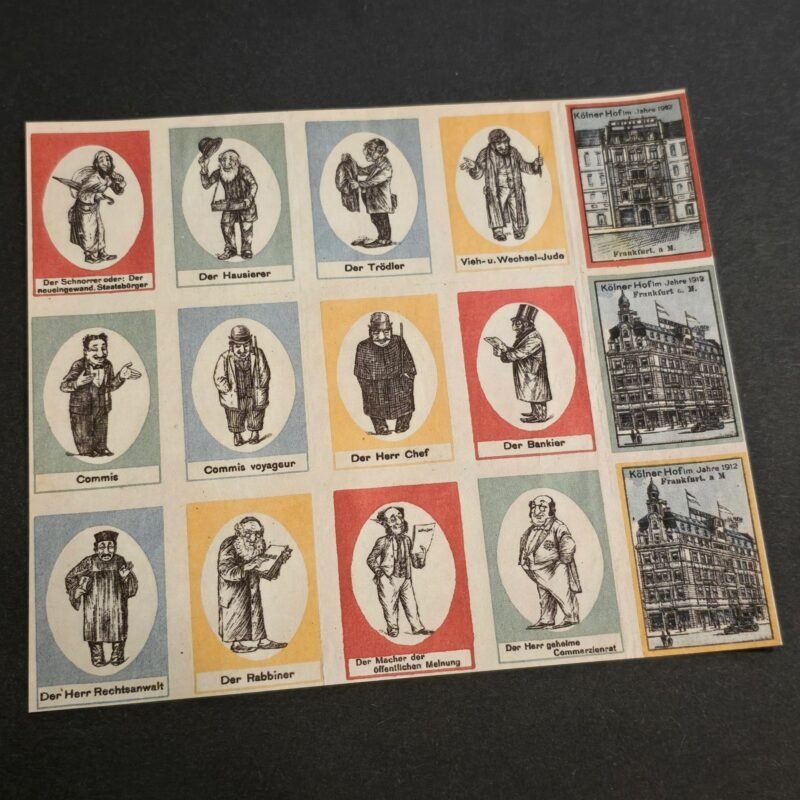
Jewish Anti Semitic JUDE Propaganda Stamp Sheet Labels MNH WW2 NSDAP Nazi German
Original price was: $19.99.$14.99Current price is: $14.99.
Reviews
There are no reviews yet.